
5 Benefits of Children Starting to Learn Code at age 6!
There are many benefits to learning code, even as early as age 6!
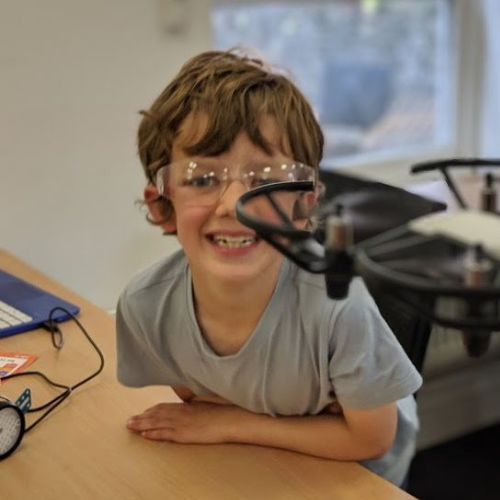
Learning code has become a valuable skill for navigating our technology driven world no matter your age. It empowers people to be creative, manage technological careers, and gain problem solving skills. But learning to code is not just for adults, it is also available for young children and should be encouraged to start young. Children even as young as 6 years old can benefit from learning code skills!
1. Coding helps create computational thinking
At age 6, children are like a sponge taking in all sorts of information in the world around them. This is a great time to introduce them to computers and code skills. Introducing them to coding at this age helps them to start developing computational thinking skills, including problem solving, pattern recognition,and reasoning.
2. Coding enhances creativity
Coding can be very creative with different projects available like game design and web development. By practicing coding skills on fun projects, children can use it as a creative outlet and flex their creative muscles! Through experimentation and exploration, they can learn to think outside the box and express themselves, creating a passion for creativity.
3. Coding builds persistence
As with learning anything, coding can inevitably encounter a challenge like debugging errors or mistakes. By starting to problem solve these errors at a very young age, children develop more persistence when overcoming challenges. They can learn to embrace failure as a natural part of the learning process, and continue to persist as they find a solution to their challenge.
4. Coding can build communication Skills
As a young child learns code, they can practice communicating with their mentor and sharing their ideas, questions and solutions. This is a great way for young 6 year olds to develop their speaking and communication skills for when they are in school. It also helps to build their confidence in asking questions and expressing themselves in classes or online code clubs.
5. Coding prepares them for the future
By starting to learn code at age 6, children can have a head start in building a strong foundation in programming. Whether they pursue a career in technology or not, coding proficiency opens doors to a wide range of opportunities, from STEM fields to creative arts and beyond. Early exposure to coding equips children with a valuable skill set that will serve them well in their adult life.
Starting to learn code at age 6 offers many benefits that extend far beyond the realm of programming. From developing critical thinking and problem-solving skills to fostering creativity, resilience, communication, and preparing for future opportunities, coding empowers children to thrive in the digital age and beyond. By introducing coding early, we can help unlock the full potential of our children and prepare them for success in a rapidly evolving world.
About The Code Zone
The Code Zone teaches children aged 6 to 16 to code by building their own games. Outside the UK that is the Game Dev Academy: self-paced, so a child works at whatever hour suits them in any time zone, with a background-checked, STEM-certified mentor answering by text and video message.
It started in Britain, where in 2026 it was the highest-placed coding club in Club Hub UK's Top 100 Children's Activity Providers, and in 2025 received the Autism Inclusion Award from the National Autistic Society, the UK's leading autism charity. More than a third of members are autistic or have ADHD, based on what parents tell us when they join.
The blog is in two halves. Guides are the evergreen explainers written by the mentors who teach the clubs, covering the questions parents actually ask: what comes after Scratch, how to support a coding-mad child when you cannot code yourself, and what works for autistic and ADHD children.
Club news is the other half, and it is where posts like this one live: game jams, Minecraft builds and weekly roundups, written up by whoever ran the session. Neither is marketing. If you want to know what the work actually looks like before you sign up to anything, club news is the more honest read of the two.
Creating an account is free and we do not ask for card details. Create a free account, see what it costs, or read about support for neurodivergent children.


