
The Live Stream with Tom & Ant - Pirate Palaver
Tom and Ant take a look at last week's game, Pirate Palaver and some of the best hacks from the game!

Follow our live stream! This ended in 2022 :)
Written by our mentors
0 guides for parents · 6 posts from the clubs
Tom and Ant take a look at last week's game, Pirate Palaver and some of the best hacks from the game!
Weekly round up from the 22nd June - join Tom & Ant on our live stream talking all things coding!
"You either die a hero, or live long enough to see yourself become in to the villain" The ZoneBot will live forever!
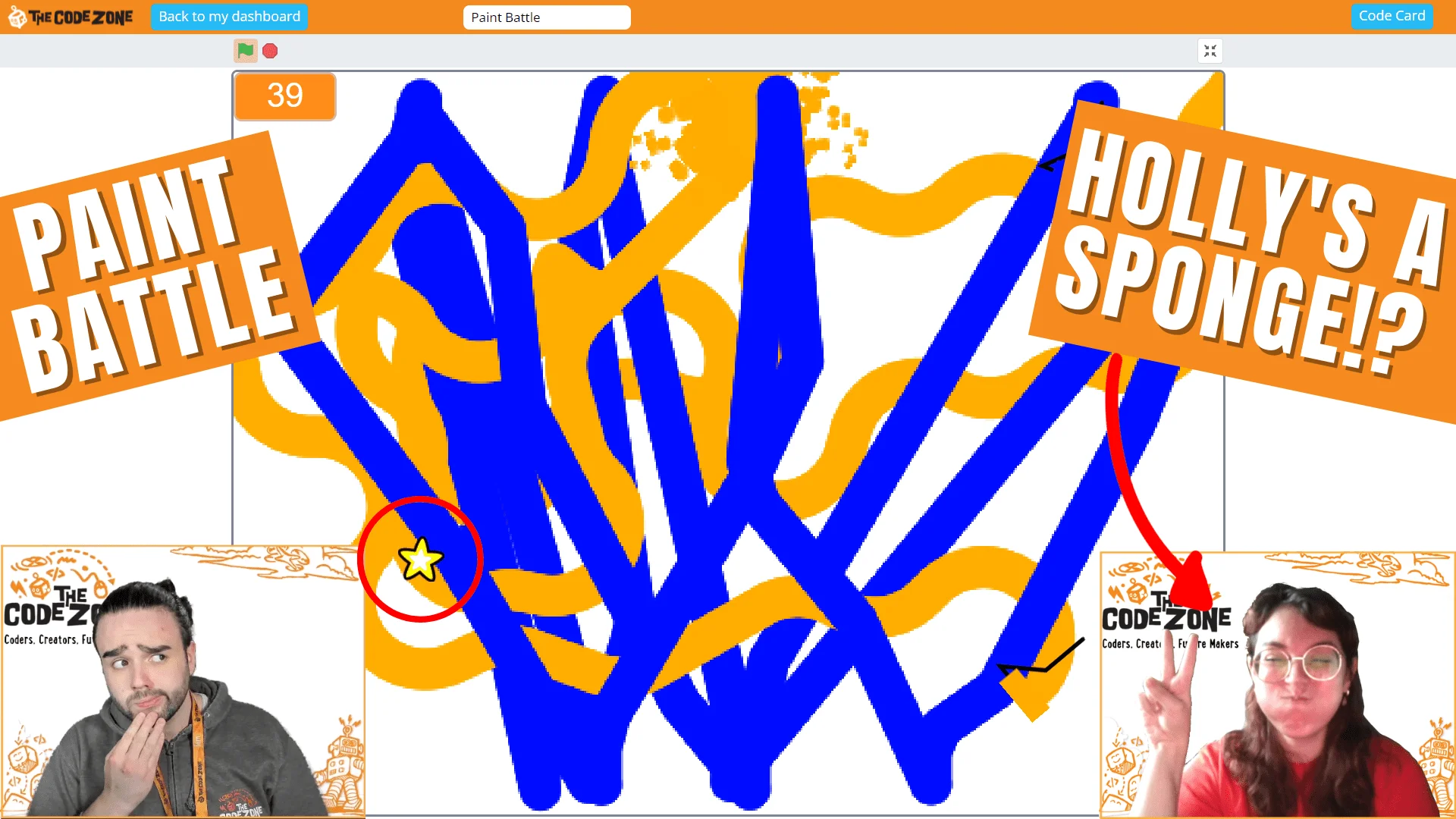
Hellooo!! Tom's finally worked out how to say "hello" and Holly's a....sponge... in this weeks round-up of the game dev clubs and this week's hack "Paint Battle"
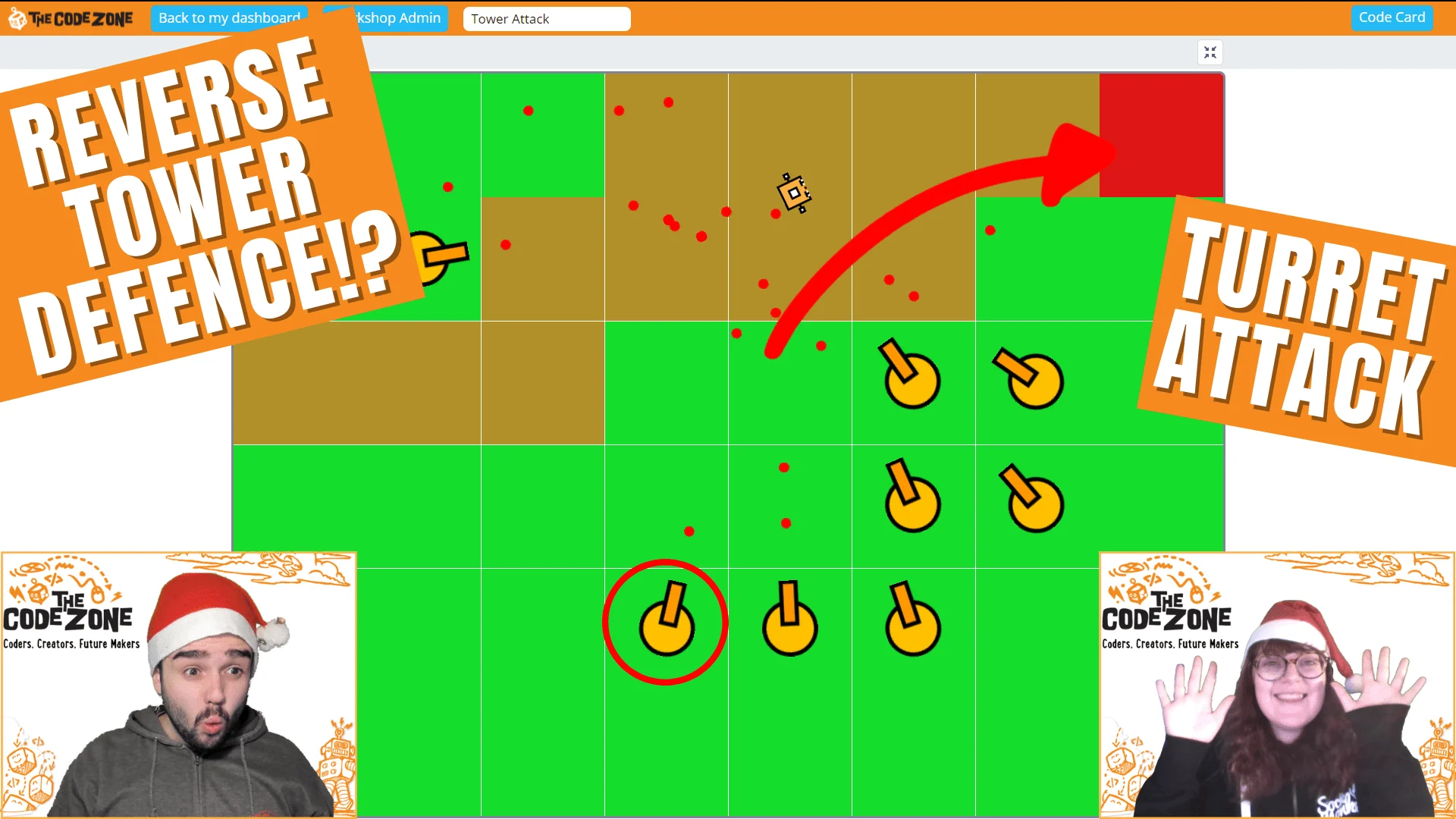
It's our last one before Christmas and the festive hats are out! Tom and Holly talk tower defence, and this week's game dev club challenge - building a reverse version of the game, where you are the runner!
Our first ever live stream! And a festive one to kick things off...are you ready for Holly's surprise? And is your project featured this week?


The live streams were a mentor-led session anyone could watch: two of our mentors building a game from scratch, thinking out loud, getting stuck and unsticking themselves. Watching somebody debug is a surprisingly good way to learn, because the useful part of coding is rarely the bit that works first time.
These posts are the archive of those streams and the games that came out of them. They are a few years old now, and we have left them up because the thinking in them has not dated even if the Scratch interface has.
The clubs themselves work the same way, only smaller and with your child doing the building. A session is one hour a week in a group of no more than six, with the same background-checked, STEM-certified mentor every week, and children build their own games rather than working through a set course. Nothing about a session is performance: children are not asked to demo to the group or explain themselves on cue.
If you would rather read advice than watch a build, the guides section covers what comes after Scratch and how to choose a coding club.
The Code Zone teaches children aged 6 to 16 to code by building their own games. Outside the UK that is the Game Dev Academy, which is self-paced: there is no fixed session time, so a child works at whatever hour suits them in any time zone.
A STEM-certified, background-checked mentor answers by text and video message during the week, so nobody is left on their own with it, and children build their own games rather than working through a set course. Creating an account is free and takes no card details, so you can see the platform before deciding anything.
Children start in Scratch, and the mentor sets harder work as soon as they are ready for it. Levels move down as readily as up so the work always fits, and staying where you are is a perfectly good outcome.
Mentors write a note on every child, which is how we know when somebody is ready to move on, and it is why a child who has gone quiet for three weeks does not simply go unnoticed.
More than a third of our members are autistic or have ADHD, based on what parents tell us when they join.
In 2025 we received the Autism Inclusion Award from the National Autistic Society, the UK's leading autism charity, and in 2026 we were ranked second in the UK in Club Hub UK’s Top 100 Children’s Activity Providers, scored by five independent judges on safeguarding, inclusivity and community impact.
Create a free account Pricing Neurodivergent support Meet the mentors