
What programming languages do we use?
Learning to code can seem intimidating, there are so many different programming languages so where's the best place to start!? We want to make it easy to get into coding, which is why we're here to tell you about the different programming languages we use across our clubs! Read on to find out more...
Here at The Code Zone we do our sessions in multiple different programming languages, but what are they and what do they look like? Luckily for you, I’m here to explain all!
Starting in Scratch...
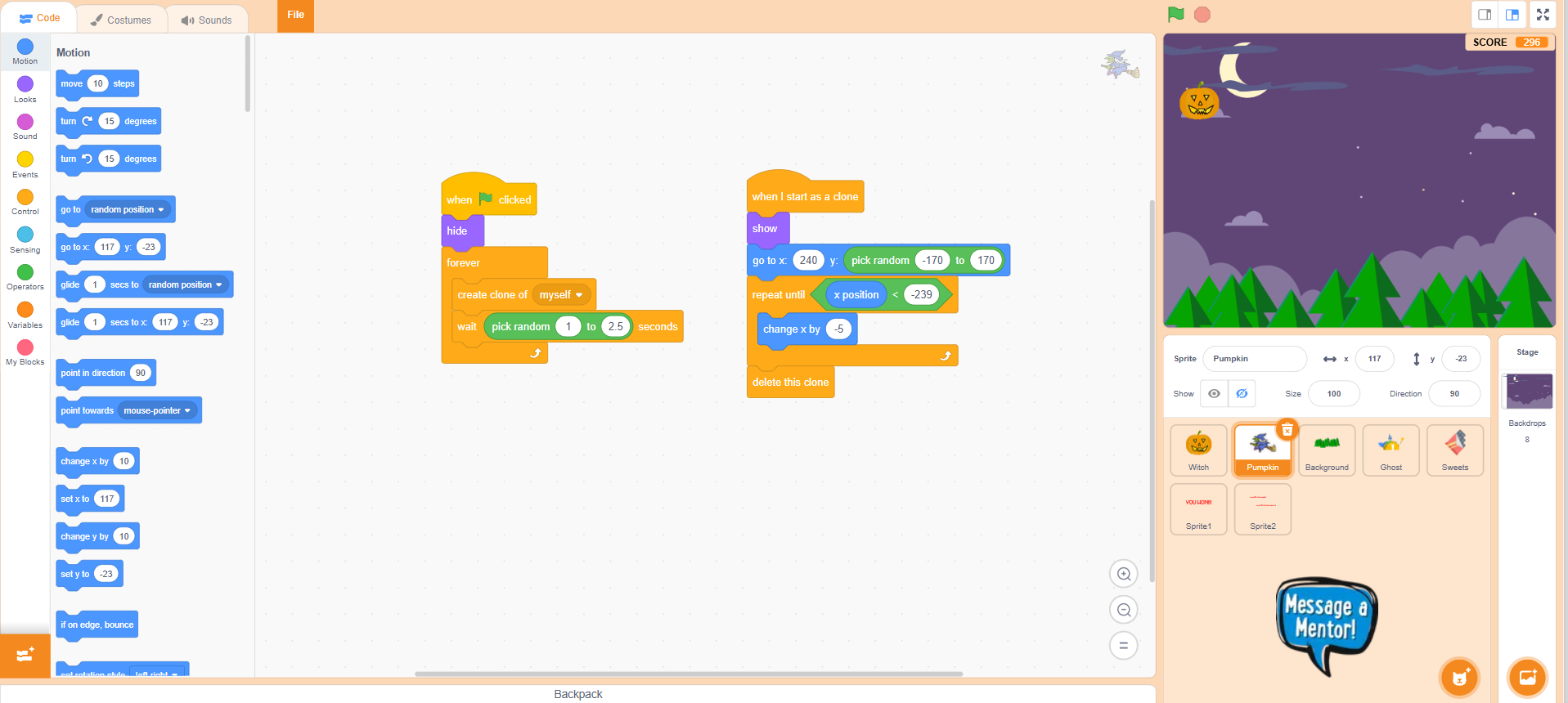
Every member that joins The Code Zone starts in Scratch, a block based coding language developed by the minds over at MIT! We liken this to building with lego or putting together a puzzle. Scratch is worded in a child friendly and easy to understand way making it the perfect solution for those just starting on their coding journey.
Moving on to Makecode!
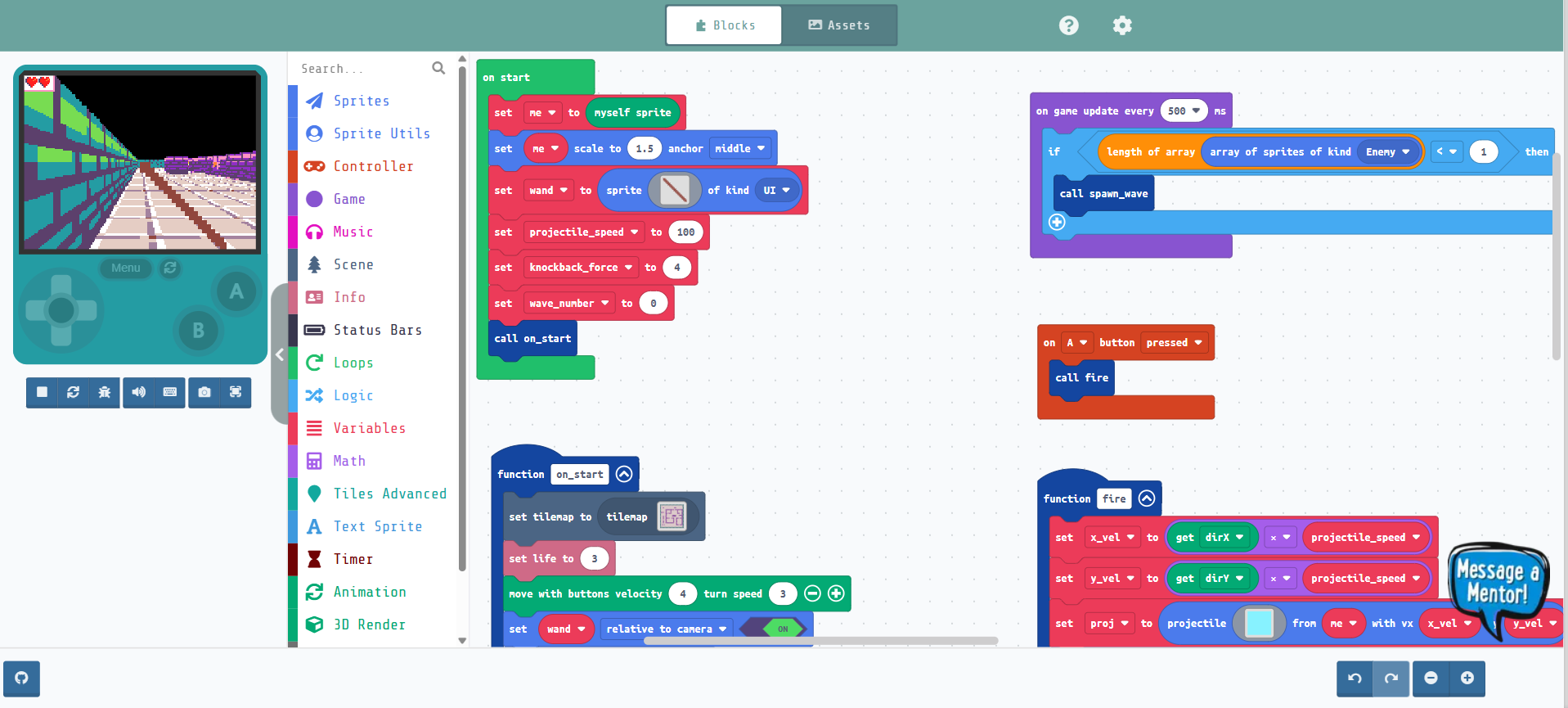
Once our members ace Scratch, we move them over to an engine called “Makecode” built by those folks at a little company called Microsoft. The starting point for Makecode actually looks a lot like scratch with its puzzle style blocks! We find this to be a good step up while still having the familiar looks, making this more complicated engine seem a lot nicer to start with!
Programming with Python...
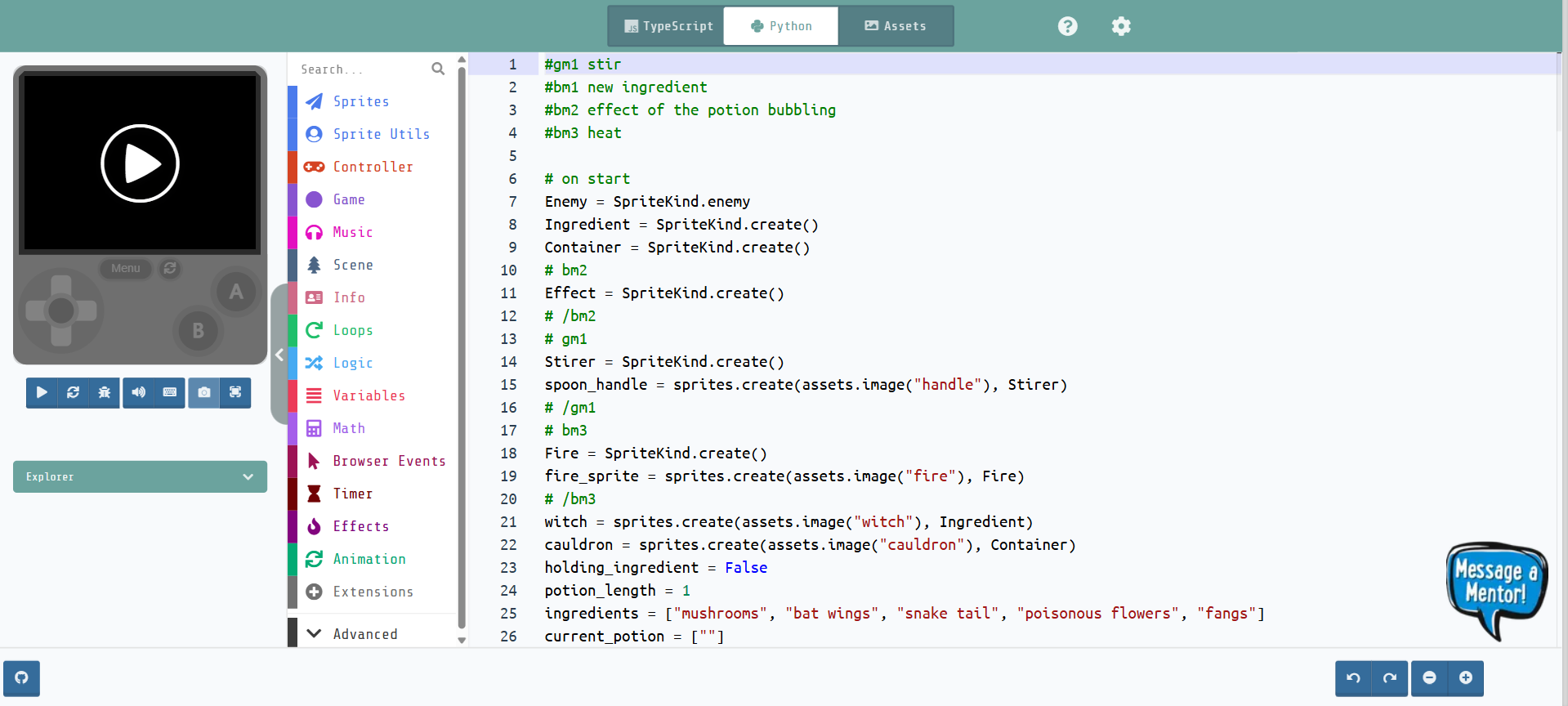
As we work through the levels we introduce members to written Python! Python is a programming language used by everyone worldwide for a huge variety of things! While being a bit of an intimidating step up from the blocks of lower level Makecode and Scratch, Python is one of the most simple and beginner friendly programming languages out there, making it the perfect look into the wider world of coding!
Taking on Typescript!
We end our trip through the many languages of The Code Zone by stopping at Typescript, a language made more for larger scale applications. While being a little more complex than Python, it mostly builds on the ideas that we build in our written Python sessions. We move members to this when we feel they reach the pinnacle of their Python skills!
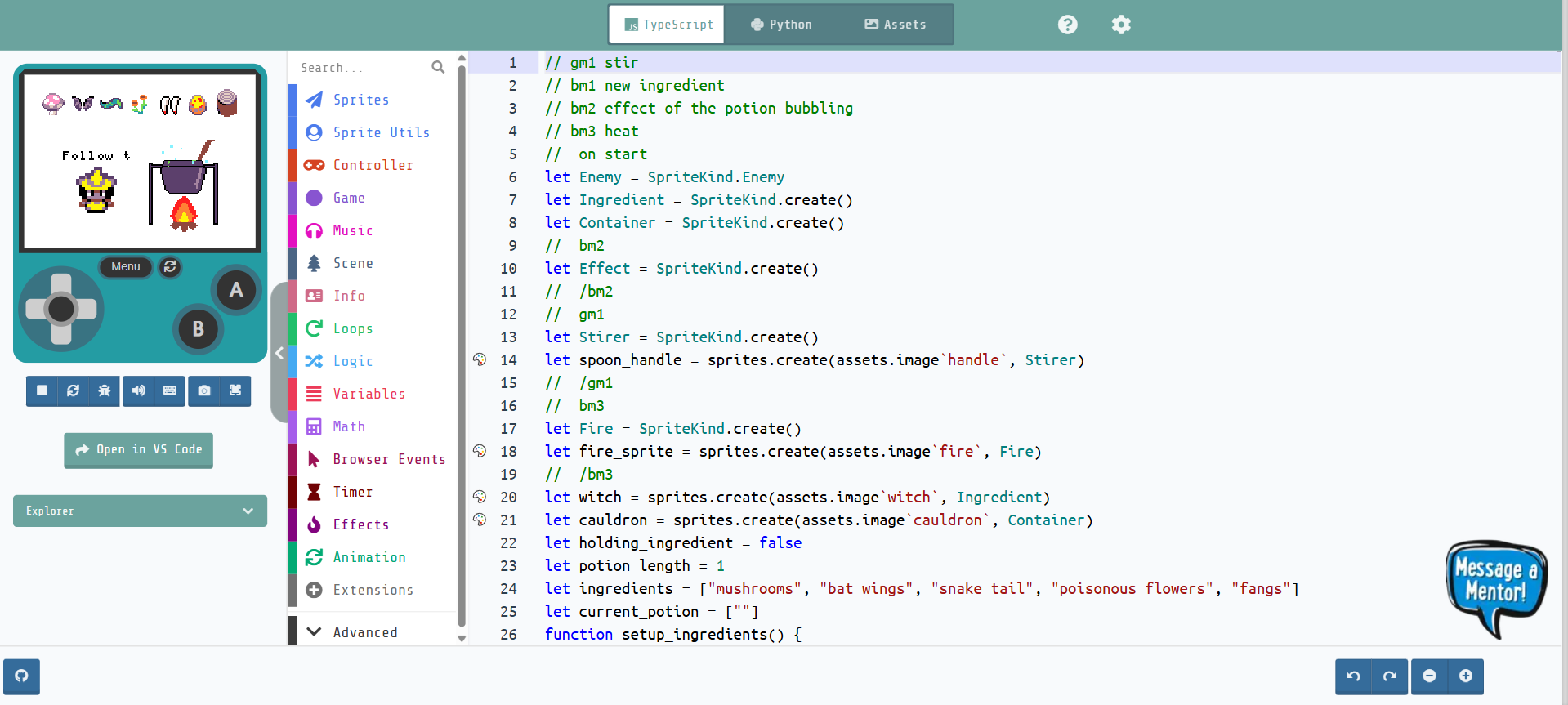
And that’s all of our programming languages! And the great thing is, we allow our members to freely move between the lower levels and where they currently are, so if our Python members have a really good scratch idea, we’re more than happy for them to step back into scratch to realise their ideas!
If any of these programming languages feel like something you’d enjoy learning, sign up for a free taster session today and we’ll find the perfect club for you!
About The Code Zone
The Code Zone teaches children aged 6 to 16 to code by building their own games. Outside the UK that is the Game Dev Academy: self-paced, so a child works at whatever hour suits them in any time zone, with a background-checked, STEM-certified mentor answering by text and video message.
It started in Britain, where in 2026 it was the highest-placed coding club in Club Hub UK's Top 100 Children's Activity Providers, and in 2025 received the Autism Inclusion Award from the National Autistic Society, the UK's leading autism charity. More than a third of members are autistic or have ADHD, based on what parents tell us when they join.
More like this
The blog is in two halves. Guides are the evergreen explainers written by the mentors who teach the clubs, covering the questions parents actually ask: what comes after Scratch, how to support a coding-mad child when you cannot code yourself, and what works for autistic and ADHD children.
Club news is the other half, and it is where posts like this one live: game jams, Minecraft builds and weekly roundups, written up by whoever ran the session. Neither is marketing. If you want to know what the work actually looks like before you sign up to anything, club news is the more honest read of the two.
Creating an account is free and we do not ask for card details. Create a free account, see what it costs, or read about support for neurodivergent children.


