
Coding is for everyone | Breaking the "geeky" stereotype
Let's explore how coding has shed its geeky image and why it's a valuable skill set for the modern era.
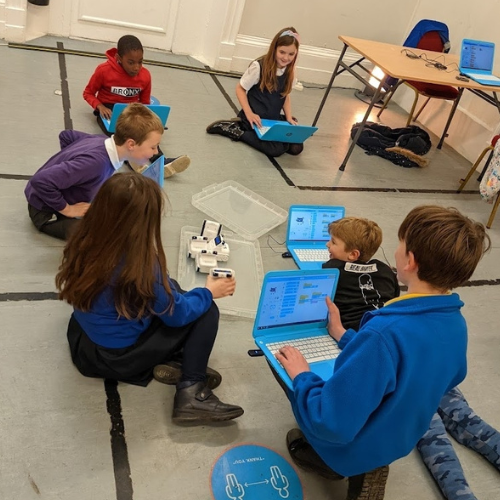
In the not-so-distant past, coding was often associated with a particular stereotype: the "geek" or the "nerd." In early 2000s movies, it was portrayed as a boy with thick rimmed glasses and pocket protector sitting alone in the computer room. But times have changed for the better and the stereotype of being “geeky” or “nerdy” just doesn’t hit as much.
Today, coding is for everyone, regardless of background, interests, or appearance. It's an amazing skill that opens up a world of opportunities. Let's explore how coding has shed its geeky image and why it's a valuable skill set for the modern era.
Coding is Creative
One of the biggest misconceptions about coding is that it's purely analytical and lacks any creativity. However, you’ll find in the process of creating games, building websites, designing apps and much more than creativity is in everything coded. To create something from scratch using code, you need to have skills in innovation and imagination, just like an artist with their masterpiece.
Coding is Empowering
Gone is the “geeky” stereotype that being a coder isolates you. In the digital day and age, learning code can empower people to share their ideas with others, learn together and become part of a strong community of coders. Learning to code is also mo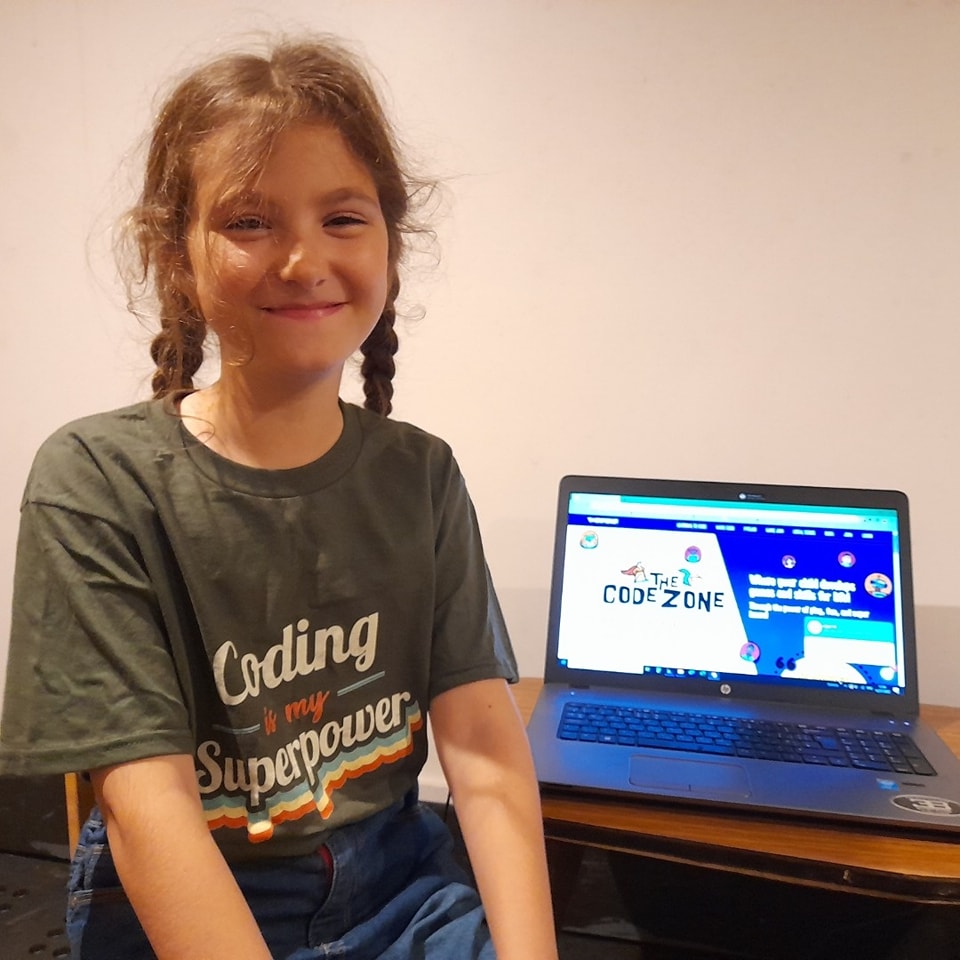 re accessible than ever! Take the Code Zone, for example. Members can join from anywhere they please to meet up in online clubs, learn from amazing mentors, and make friends with other kids their age and skill level.
Coding is Diverse
Being a coder is no longer just for the geeky boys in those early 2000s movies. Now everyone, from any background, gender, or age can learn to code and be welcomed. The world of coding is made up of people from diverse backgrounds, experiences, and perspectives. This diversity enriches the coding industry, fostering collaboration, driving innovation and gaining different perspectives and problem solving. No matter who you are or where you come from, there's a place for you in the world of coding.
The terms “geeky” and “nerdy” , while hurtful in the past, no longer hold power over us anymore. Learning to code has become a much more welcoming community for anyone who wants to learn. It is an empowering skill that brings you access to the online world and the ability to create and be creative. Gone are the days when coding was confined to the realm of "geeks" and "nerds."
So, if you've ever been curious about coding but felt intimidated by outdated stereotypes, now is the perfect time to dive into learning. Embrace your inner coder and join the diverse, welcoming community at the Code Zone. After all, coding is not just for geeks—it's for everyone!
About The Code Zone
The Code Zone teaches children aged 6 to 16 to code by building their own games. Outside the UK that is the Game Dev Academy: self-paced, so a child works at whatever hour suits them in any time zone, with a background-checked, STEM-certified mentor answering by text and video message.
It started in Britain, where in 2026 it was the highest-placed coding club in Club Hub UK's Top 100 Children's Activity Providers, and in 2025 received the Autism Inclusion Award from the National Autistic Society, the UK's leading autism charity. More than a third of members are autistic or have ADHD, based on what parents tell us when they join.
More like this
The blog is in two halves. Guides are the evergreen explainers written by the mentors who teach the clubs, covering the questions parents actually ask: what comes after Scratch, how to support a coding-mad child when you cannot code yourself, and what works for autistic and ADHD children.
Club news is the other half, and it is where posts like this one live: game jams, Minecraft builds and weekly roundups, written up by whoever ran the session. Neither is marketing. If you want to know what the work actually looks like before you sign up to anything, club news is the more honest read of the two.
Creating an account is free and we do not ask for card details. Create a free account, see what it costs, or read about support for neurodivergent children.


